Notpla · Our feedstock

Seaweed, explained

Where our hero ingredient comes from, why it can scale where other bio-based materials cannot, and how we buy it.

Scroll ↓
01 · A short history

A short history of seaweed

From the first photosynthesis to your ice cream.

// Deep time Human history
  1. 3.5bnyears ago

    Blue bacteria invent photosynthesis

  2. 1bn+years ago

    The first seaweeds appear on Earth

  3. 500myears ago

    Green algae come ashore and become every land plant

  4. 14,000years ago

    First Americans eat seaweed at Monte Verde, Chile

  5. 701

    Japan accepts seaweed as tax

  6. c.1800

    50,000 Scots burn kelp to make glass and soap

  7. 1811

    Iodine discovered in seaweed ash
  8. 1881

    Seaweed's gelling extracts discovered

  9. 1916

    California kelp turned into gunpowder in World War I

  10. 1949

    Kathleen Drew-Baker unlocks nori farming
  11. 1989

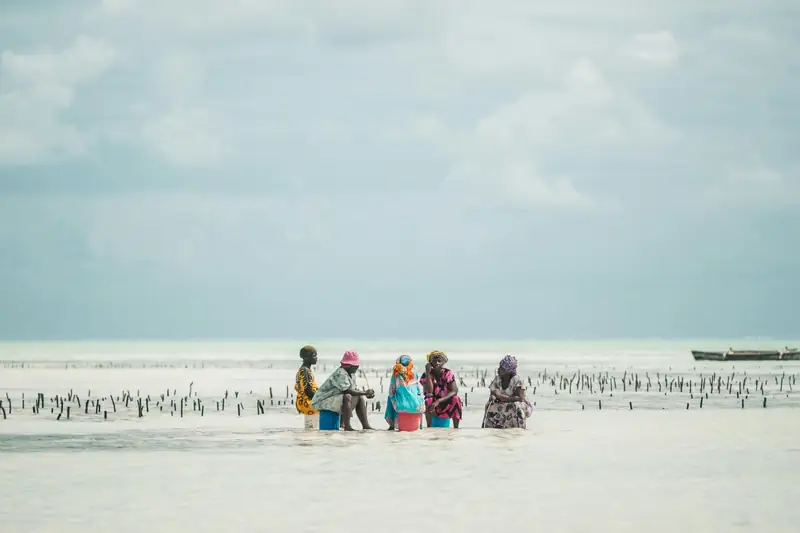
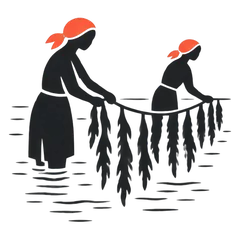
    Zanzibar's women start farming seaweed

02 · Already everywhere
40Mtonnes of seaweed
used every year

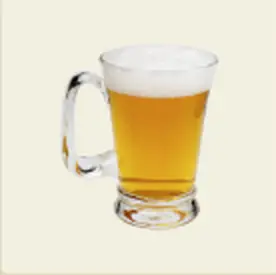
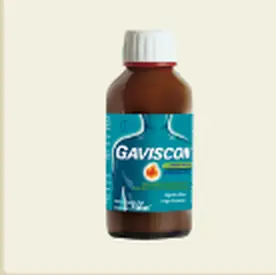
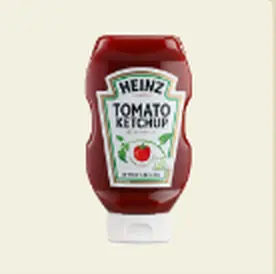
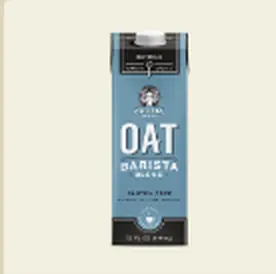
Seaweed is already in everyday products, usually in tiny amounts, which is why you never hear about it. You had it in your toothpaste this morning.

Instead of making a toothpaste grade of seaweed, we are making a packaging grade.

  • Ice cream
  • Face masks
  • Beer foam
  • Antacids
  • Ketchup
  • Wound dressings
  • Shampoo
  • Plant milks
  • Toothpaste
  • Textile printing
  • Dental moulds
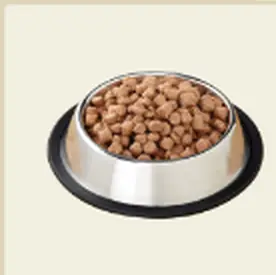
  • Pet food
On a food label, seaweed extracts are
E400E401E402E403E404E405E406E407
03 · Not one material

Seaweed is not one material

Seaweeds have evolved separately for hundreds of millions of years, so each species is made of different building blocks. Very few research centres study seaweed as deeply as land crops, so we are still scratching the surface.

Species of seaweed1
In three familiesBrown, red and green

Split by more than a billion years of separate evolution.
So the building blocks differWe match them to what packaging needs
  • Heat resistance
  • Grease resistance
  • Formability
  • Viscosity
  • Transparency
  • Flexibility
Herbarium specimens: Natural History Museum London, New York Botanical Garden and Museum of New Zealand Te Papa Tongarewa (CC BY 4.0), Smithsonian National Museum of Natural History and Yale Peabody Museum (CC0). Cut out from the original scans.
  • Laminaria hyperborea, Natural History Museum, London (Data Portal), nhmuk-BM001216109, CC BY 4.0
  • Laminaria digitata, Natural History Museum, London (Data Portal), nhmuk-BM001213350, CC BY 4.0
  • Alaria esculenta, Natural History Museum, London (Data Portal), nhmuk-BM001004231, CC BY 4.0
  • Alaria tenuifolia, New York Botanical Garden, William & Lynda Steere Herbarium, ny-02224237, CC BY 4.0
  • Fucus distichus, New York Botanical Garden, William & Lynda Steere Herbarium, ny-02335160, CC BY 4.0
  • Fucus vesiculosus, Natural History Museum, London (Data Portal), nhmuk-BM001033710, CC BY 4.0
  • Nereocystis luetkeana, New York Botanical Garden, William & Lynda Steere Herbarium, ny-02257969, CC BY 4.0
  • Halidrys siliquosa, Natural History Museum, London (Data Portal), nhmuk-BM001199794, CC BY 4.0
  • Plocamium cartilagineum, Museum of New Zealand Te Papa Tongarewa, nmnz-A033783, CC BY 4.0
  • Delesseria sanguinea, Smithsonian NMNH, US National Herbarium (Botany), us-US233800, CC0 1.0
  • Delesseria sanguinea, Natural History Museum, London (Data Portal), nhmuk-BM000772039, CC BY 4.0
  • Delesseria sanguinea, Yale Peabody Museum, Botany, ypm-YU.096223, CC0 1.0
  • Ptilota densa, Smithsonian NMNH, US National Herbarium (Botany), us-US93948, CC0 1.0
  • Ptilota densa, Yale Peabody Museum, Botany, ypm-YU.094378, CC0 1.0
  • Chondrus crispus, New York Botanical Garden, William & Lynda Steere Herbarium, ny-02335158, CC BY 4.0
  • Gracilaria vermiculophylla, New York Botanical Garden, William & Lynda Steere Herbarium, ny-02335051, CC BY 4.0
  • Palmaria palmata, Smithsonian NMNH, US National Herbarium (Botany), us-US233605, CC0 1.0
  • Porphyra purpurea, Smithsonian NMNH, US National Herbarium (Botany), us-US234019, CC0 1.0
  • Porphyra purpurea, Yale Peabody Museum, Botany, ypm-YU.087375, CC0 1.0
  • Ulva rigida, New York Botanical Garden, William & Lynda Steere Herbarium, ny-03909749, CC BY 4.0
  • Codium fragile, Museum of New Zealand Te Papa Tongarewa, nmnz-A034961, CC BY 4.0
  • Codium fragile, New York Botanical Garden, William & Lynda Steere Herbarium, ny-02335159, CC BY 4.0
  • Cladophora glomerata, New York Botanical Garden, William & Lynda Steere Herbarium, ny-02137524, CC BY 4.0
  • Cladophora vagabunda, Smithsonian NMNH, US National Herbarium (Botany), us-US227012, CC0 1.0
  • Bryopsis pennata, Smithsonian NMNH, US National Herbarium (Botany), us-US232856, CC0 1.0
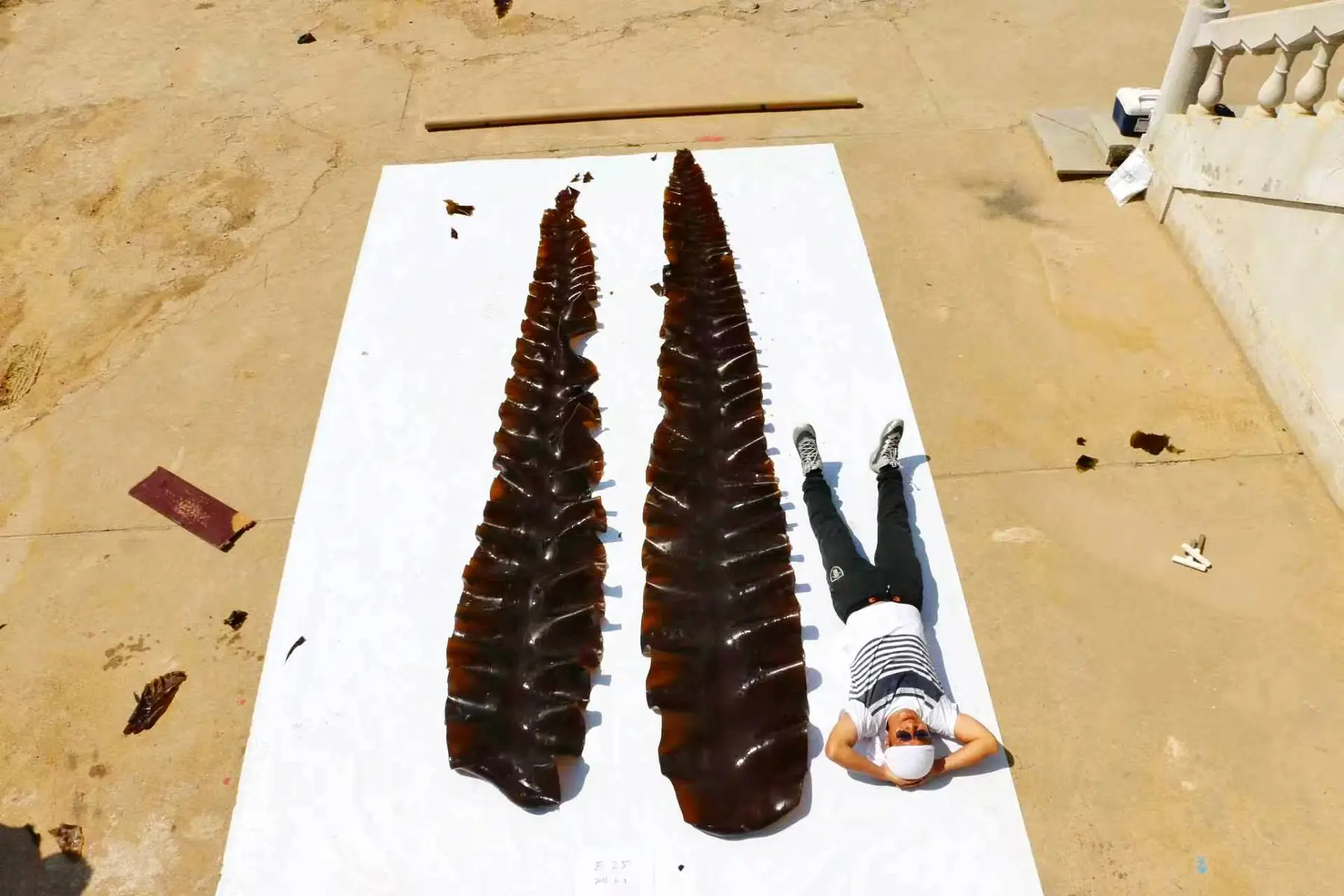
Two long kelp fronds laid out on a sheet next to a person lying down, for scale
04 · How it grows
+60 cma day, for giant kelp
at peak season

One of the fastest growing organisms on the planet, and one of its most renewable resources.
Since you opened this page, a kelp at peak growth has grown 0.00 mm
A land crop needs
Seaweed needs
  1. FreshwaterIrrigation, in a world short of water0 L
  2. FertiliserSynthetic nitrogen, phosphorus and potash0 kg
  3. LandArable land that could grow food0 ha
  4. PesticideSprayed through the season0

Built into the crop, not a practice we have to enforce. That is what lets seaweed scale without creating a second problem on land.

05 · Four ways to source

Four routes, all already at scale

Seaweed grows on almost every coastline. Each geography, species and scale has a route that works best, and the four complement each other.

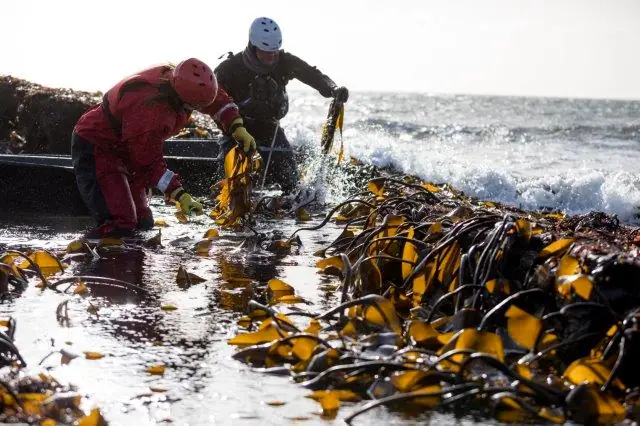
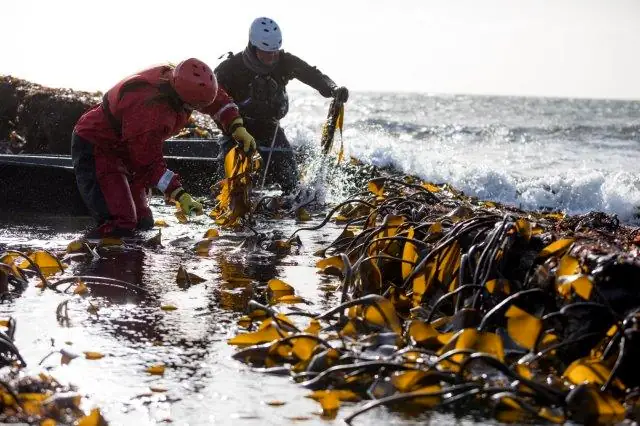
Harvesters cutting kelp on a rocky shore
01

Wild harvesting

Cutting seaweed from natural beds.

Offers
No infrastructure, low cost, consistent supply
Watch
Availability, boat pollution
Best practice
Quotas, grid rotation, leaving the young to grow
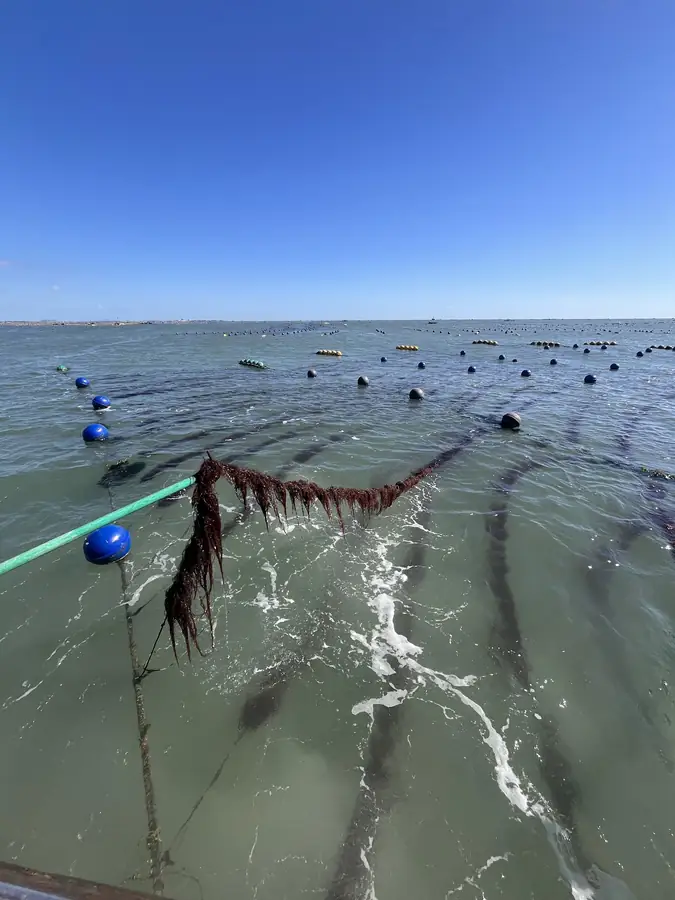
Seaweed farm lines in shallow water
02

Farming

Growing seaweed on lines at sea.

Offers
Biodiversity gains, community income, scalability
Watch
Cost, few species domesticated so far
Best practice
Native species, genetic diversity, multi-trophic farms
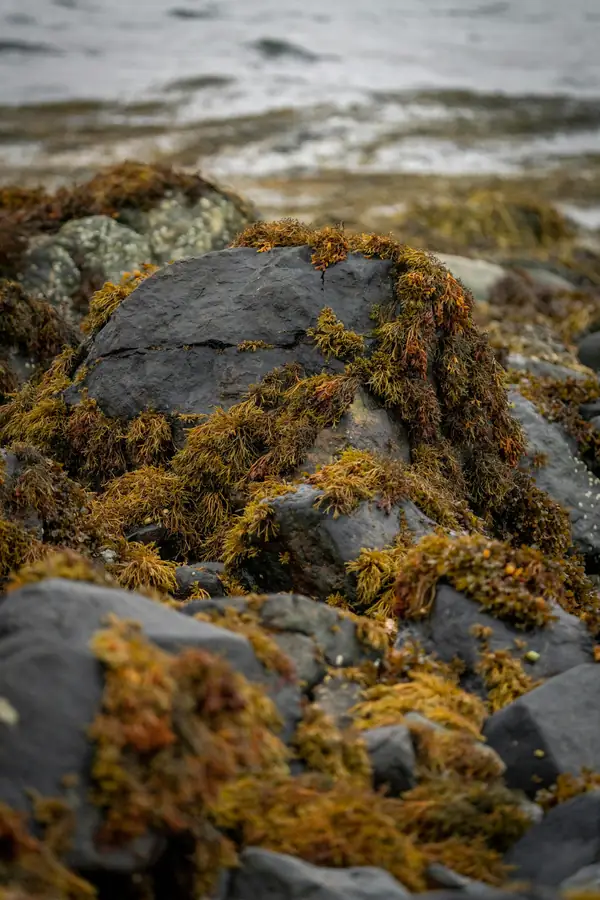
Wrack seaweed on shoreline rocks
03

Beach cast

Collecting what the sea washes ashore.
Offers
No pollution, low cost, uses biomass that would rot
Watch
Seasonality, sand, beach ecology
Best practice
Quotas and ecological monitoring
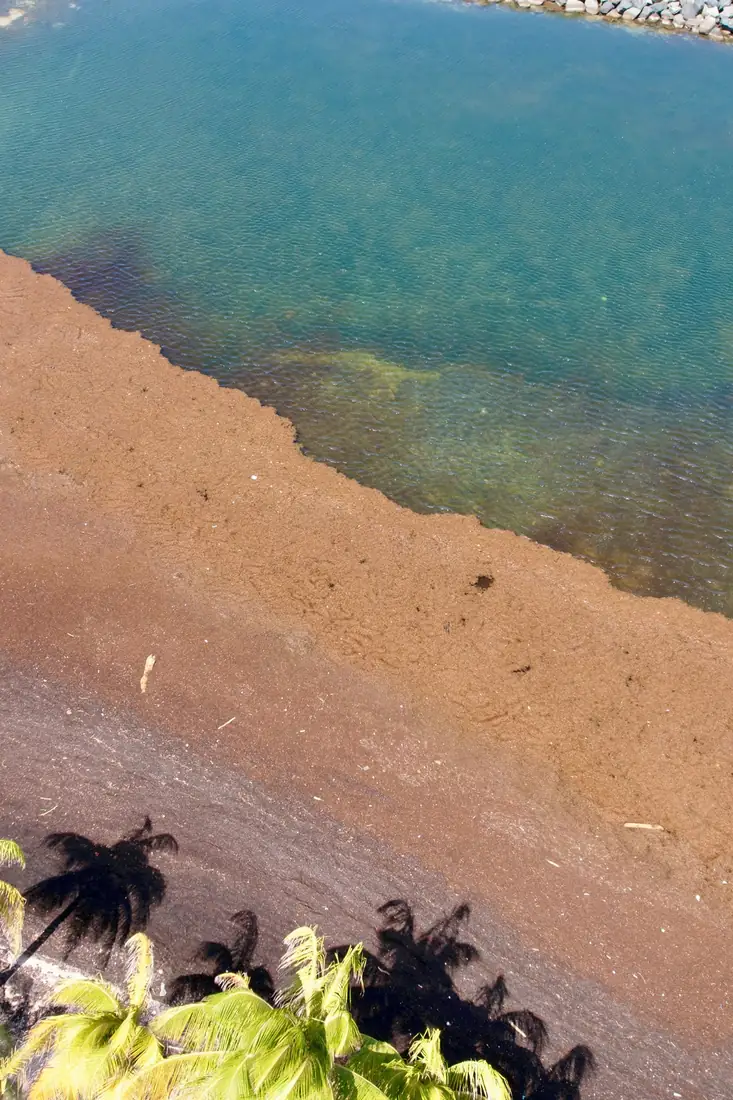
Sargassum washed up along a beach
04

Blooms

Clearing mass growths such as Sargassum.
Offers
Removes a nuisance biomass, lowest cost potential
Watch
Heavy metals, sand, variability
Best practice
Verify contaminants before use

Where seaweed already happens

Tap a region
FarmingWildBeach castBlooms
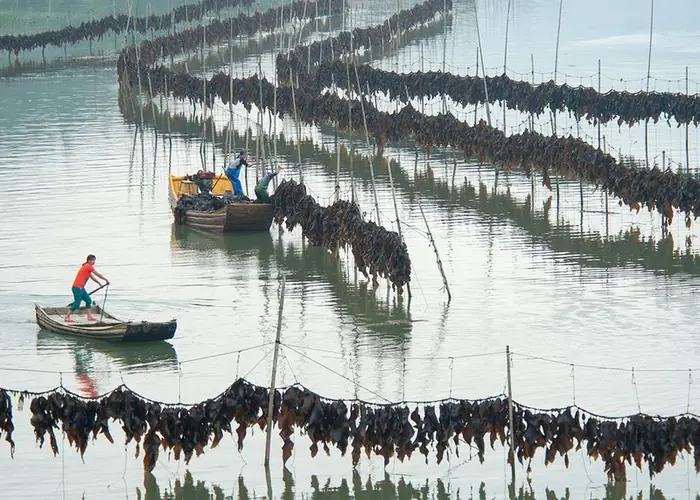
Women harvesting seaweed from farm lines in a bay
Farming

East Asia

China, Korea, Japan

By far the largest producer. Kelp, nori and wakame are grown on ropes at sea, at a scale no other region matches. China alone grows more than half of the world's seaweed (FAO).
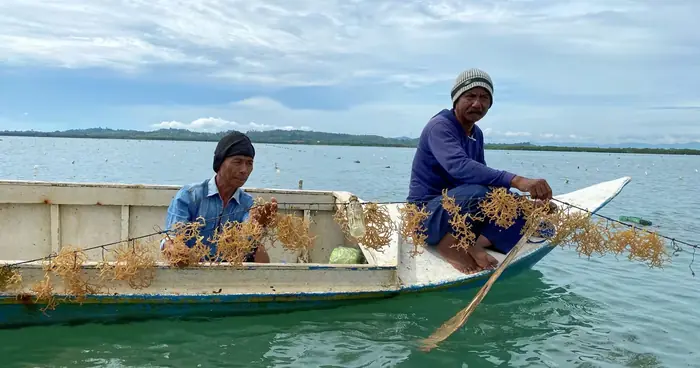
Two farmers in a boat tending seaweed lines
Farming

South East Asia

Indonesia, Philippines, Malaysia

Warm-water red seaweeds farmed on lines in shallow lagoons, mostly by smallholder families. Indonesia is the world's second-largest producer.
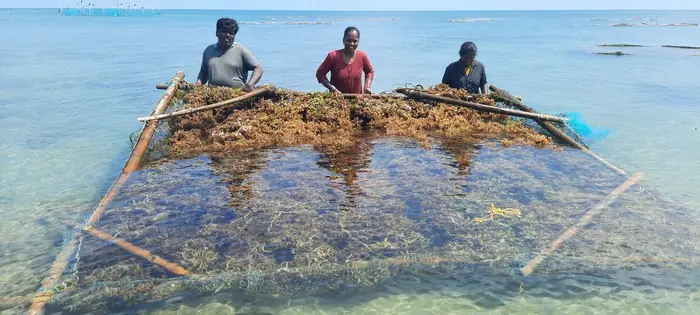
Three people in the water with a raft of farmed seaweed
Farming

South Asia

India, Sri Lanka

An emerging region. Red seaweed farming is growing along India's southern coast from a small base.
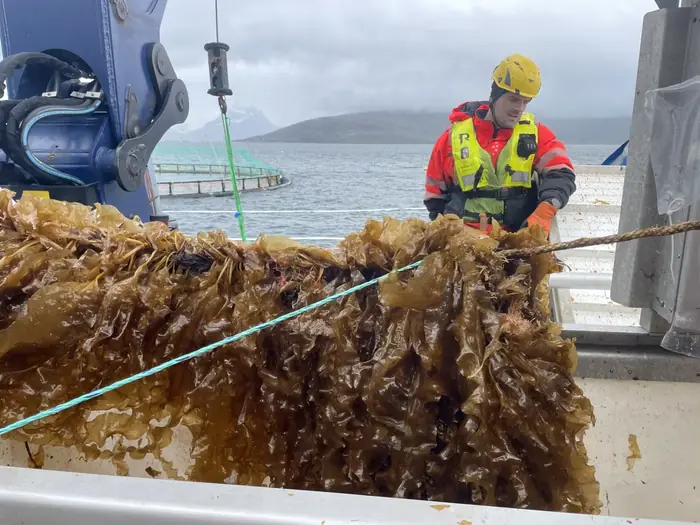
A harvester at a boat rail with a catch of kelp
Wild harvesting

West Europe

Norway, France, Ireland, Scotland

Mostly wild kelp and wrack, harvested under quotas, and home to much of the world's extraction know-how. Seaweed farms are starting up.
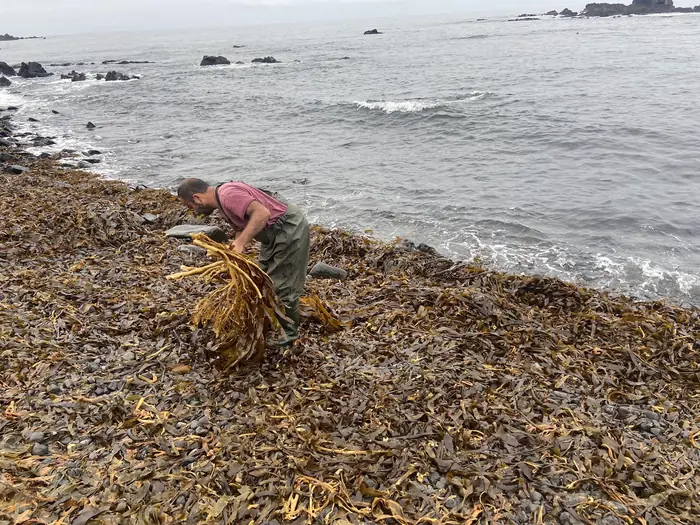
A harvester gathering kelp on a pebble beach
Wild and beach cast

West South America

Chile, Peru

One of the world's largest sources of wild brown kelp, much of it collected from beaches and rocky shores by artisanal harvesters.
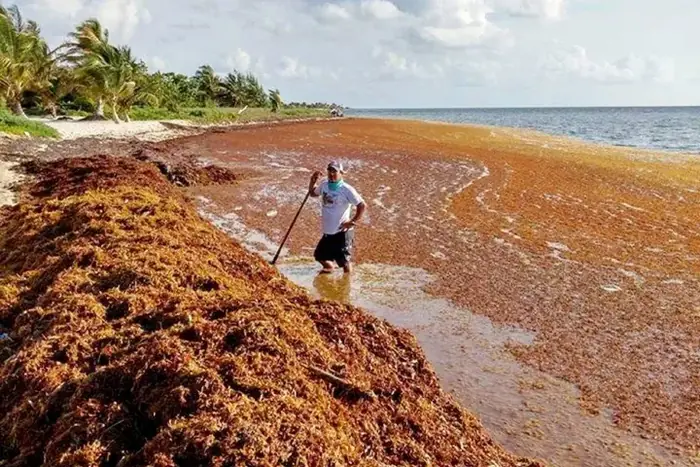
A man raking Sargassum on a beach
Blooms

Caribbean

From the Gulf of Mexico to West Africa

Sargassum washes up on these coasts every year. Today it is a clean-up cost. We see a resource.

Region photos: Global seaweed industry analysis deck. Production shares: FAO.
97%of the world's seaweed was farmed in 2020 (FAO)
Farmed
Wild 3%
A boat on calm sea at sunrise
06 · Scale

Is there enough seaweed in the world?

The world's ocean, as squares of equal area1,517
0.066% of the ocean is one of them1
That one squarewould grow enough seaweed to replace every single-use plastic with Notpla

Seaweed does not suit every use, so this is not a claim we make. It shows how far seaweed can scale without touching land.

And extraction?

The world already makes 55,000 tonnes of brown seaweed extract a year, mostly for pharma, food, fertiliser and cosmetics. At our current inclusion rate, that would coat

568 billionfood trays a year
18,000trays every second
≈ 70trays a year for every person on Earth
<1%of our main supplier's capacity is what Notpla uses today

So neither feedstock nor extraction is the constraint. The next opportunity is dedicated packaging-grade extraction, which does not exist yet and would make seaweed coatings cheaper and more fit for purpose.

07 · Sargassum

A nuisance that could replace plastic

Sargassum is a brown seaweed that floats in open water. Since 2011 it has bloomed across the tropical Atlantic every year, fed by fertiliser runoff that rivers carry from farmland to the sea.

Sargassum washed up on a beach

Sargassum belt, schematic, after USF satellite observations. Swipe the map to see West Africa.

Record biomass, 202537.5M tmeasured by satellite, and expected to keep growing
Belt length, 20255,500 mimore than twice the width of the continental United States
Countries affected30+from the Caribbean to West Africa
Clean-up cost, Caribbean$120M+a year, before any lost tourism
What it does

Left unchecked, it smothers coastal habitats and strips the water of oxygen as it rots, which kills marine life. It closes beaches and drives tourists away.

Why it is an opportunity

Coastal communities and hotels already pay to have it cleared, so the biomass carries a negative cost. We have validated that Sargassum extracts make performance coatings for food packaging, and we are working with partners across the value chain to scale its extraction.

08 · Carbon

Where the carbon goes

Seaweed is about 30% carbon by dry weight, pulled from CO₂ in seawater. Close to a tonne of CO₂ is fixed per tonne grown. Fixing is not the same as storing, so here is where it goes.
FIXED HARVESTED RELEASED GRAZED EXPORTED
  1. 01 · Fixed

    Taken up from seawater as it grows

    Seaweed turns CO₂ dissolved in the sea into its own tissue.

  2. 02 · Harvested

    Part becomes product

    The canopy is cut. The fraction we use goes into the coating on a takeaway box.

  3. 03 · Released

    Back to the air at end of life

    When the packaging is composted, that carbon returns to the air. It is biogenic carbon from today’s cycle, unlike the fossil carbon in plastic.

  4. 04 · Grazed

    The ocean takes the first bite

    Fish help themselves before anything is harvested, so part of the carbon feeds the marine food web.

  5. 05 · Exported

    Fragments sink, and some stays down

    Currents and waves break pieces off. They sink and become sediment, and a portion is stored long term.

Upside not yet claimed in LCAs

Our claim today is the displacement of fossil-carbon plastic. The carbon that sinks and stays down is extra upside that life-cycle assessments do not count yet. The science on how much is durably stored is still settling, so we put no number on it.

09 · FAQ · Heavy metals

Why heavy metals do not carry through

No seaweed is toxic in itself, but seaweeds absorb minerals from seawater very efficiently. That can include heavy metals if they are present, so they are checked at every step.
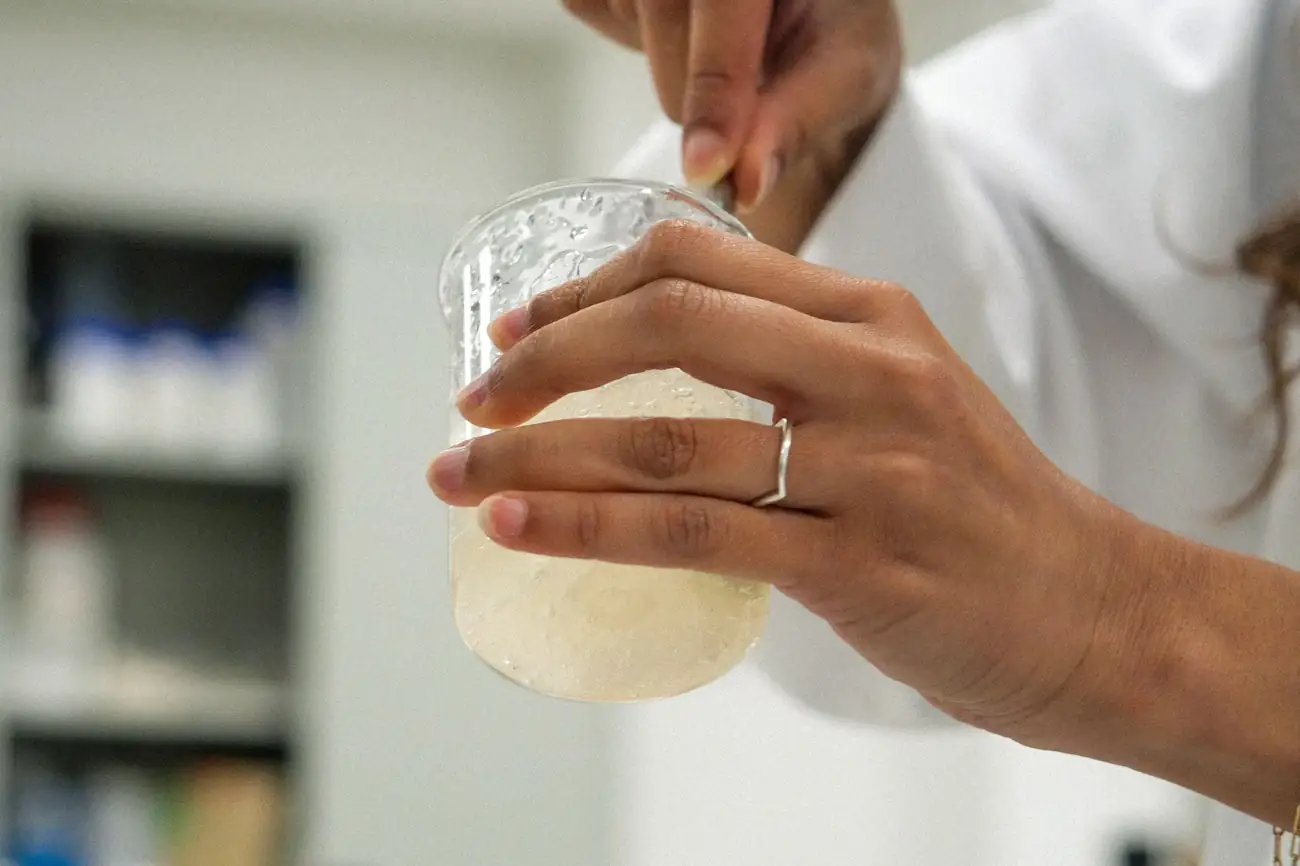
A scientist holding a beaker of seaweed extract
  1. 01
    Clean water, tested biomassThe seaweed is regularly analysed. Heavy metals are low in the clean waters it comes from.
  2. 02
    Stripped during extractionA pretreatment strips the metals from the biomass. They leave with the discarded liquid.
  3. 03
    Tested against the specificationWe buy food-grade extracts from manufacturers who also supply pharma. Every batch is tested, and every shipment carries a certificate of analysis.
Specification limits
≤ 3mg/kg arsenic
≤ 5mg/kg lead
FAO JECFA specifications ↗
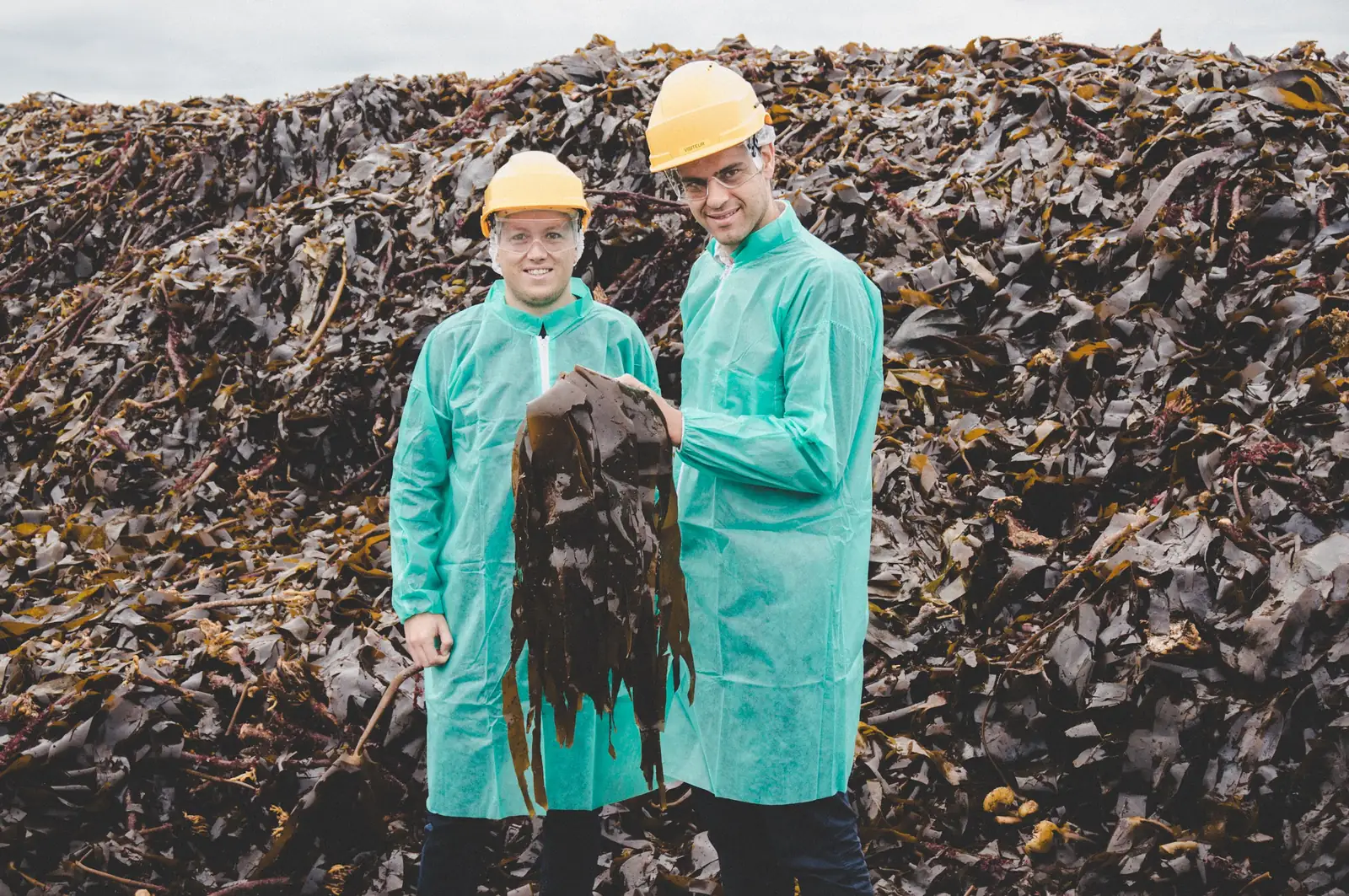
Two of the Notpla team in protective clothing in front of a pile of dried seaweed at a supplier
10 · How we buy

A partnership to unlock impact

We know our suppliers and go and see them. Then we buy against ten principles that reward the best practice in the industry.
Supplier visit, China
One holistic view of a supplier

Ten principles around one crop

Seaweed needs nothing put in, and gives back to the sea and the people who grow it. The principles hold suppliers to all four sides of that at once.
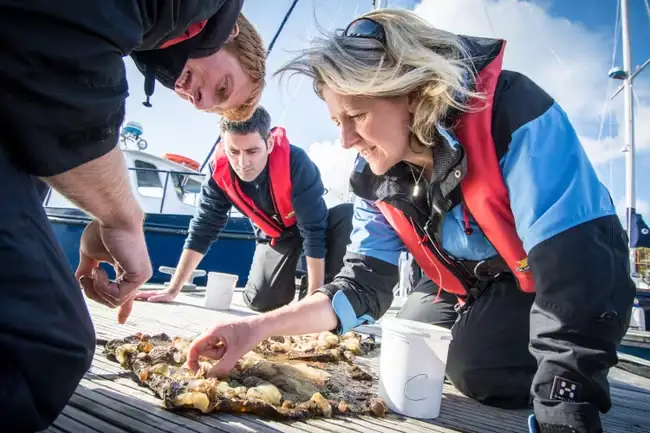
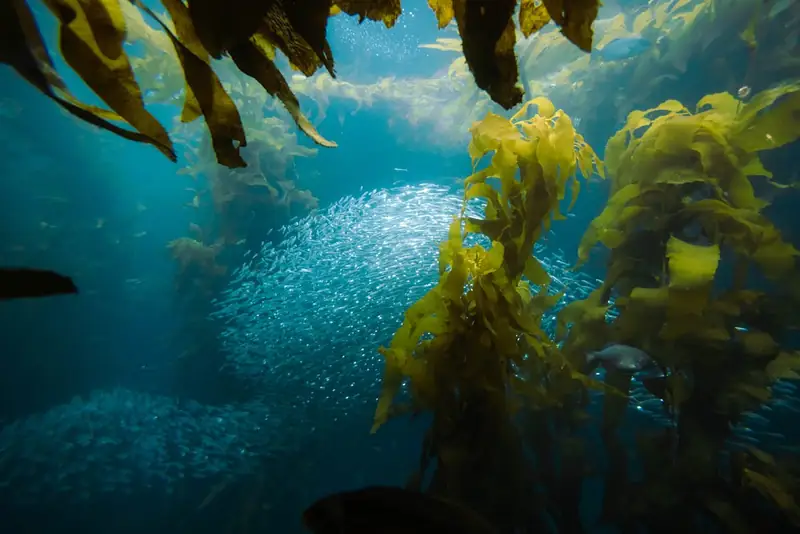
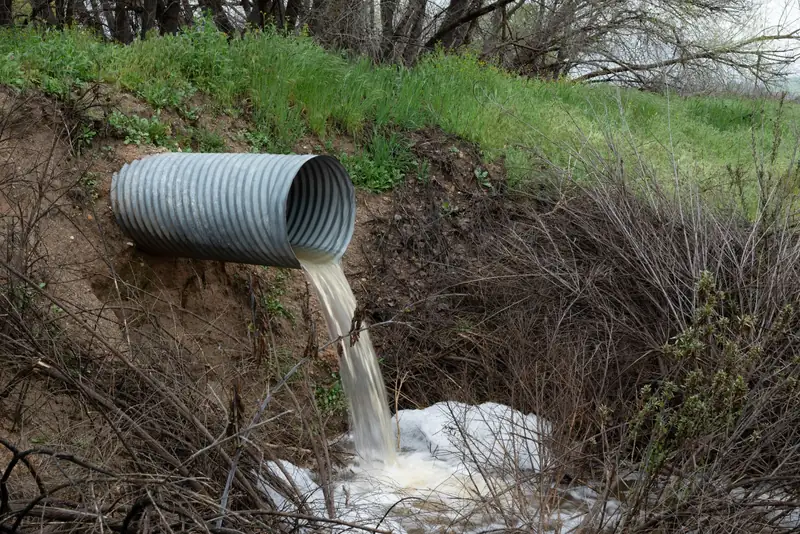
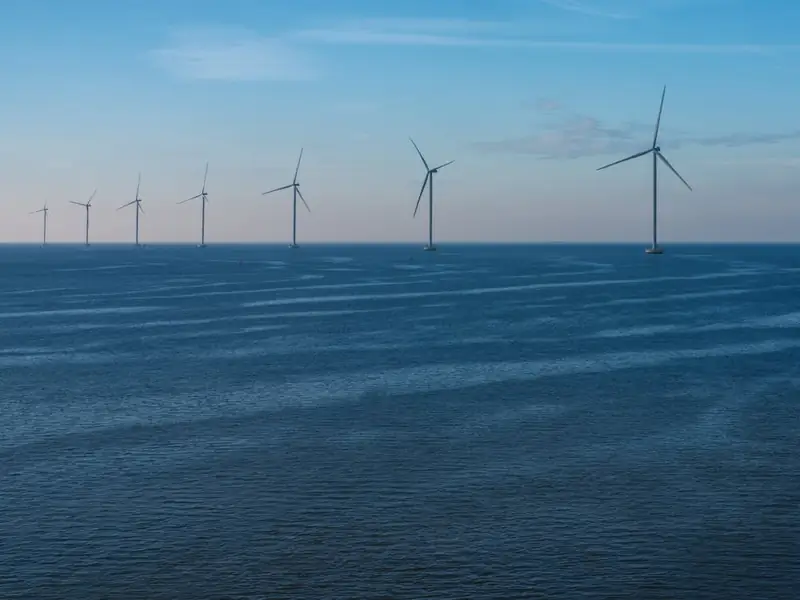
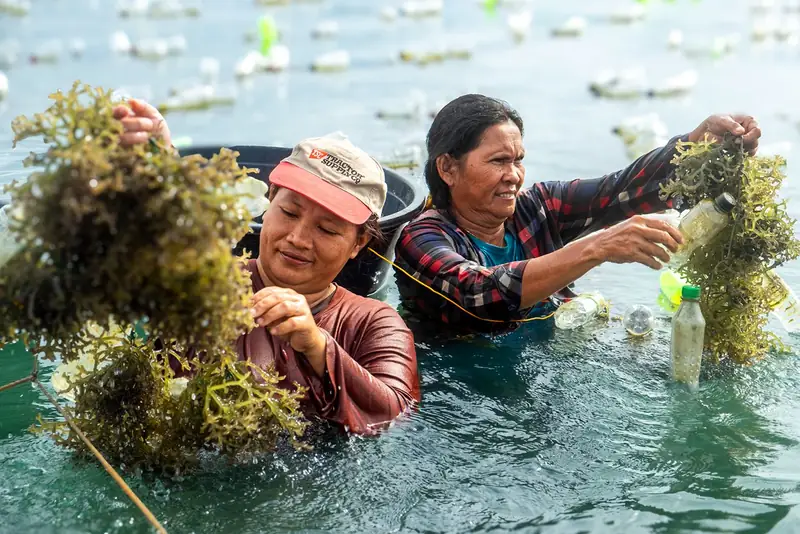
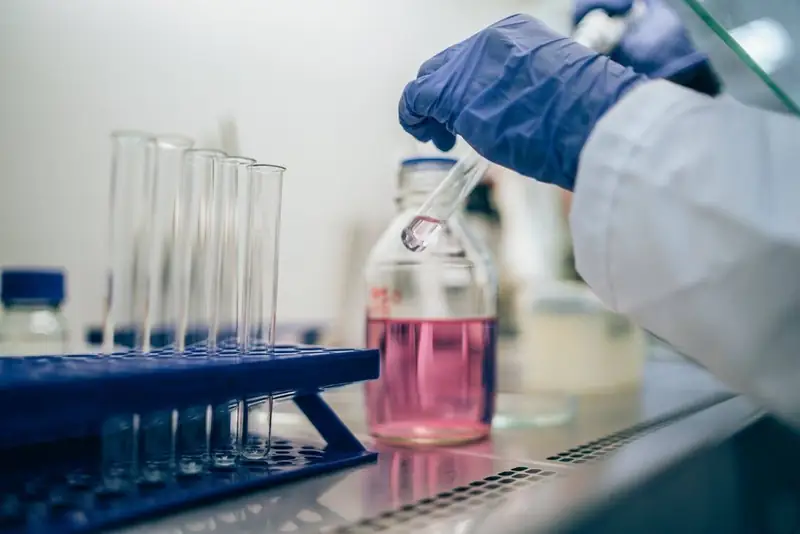
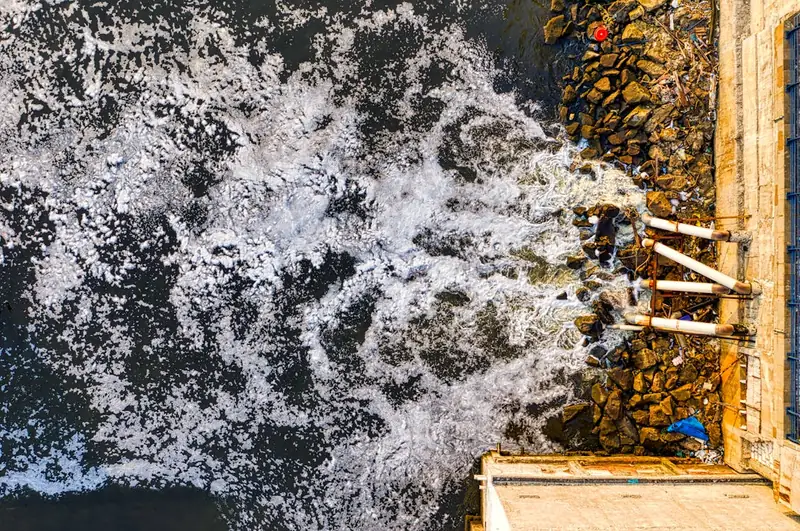
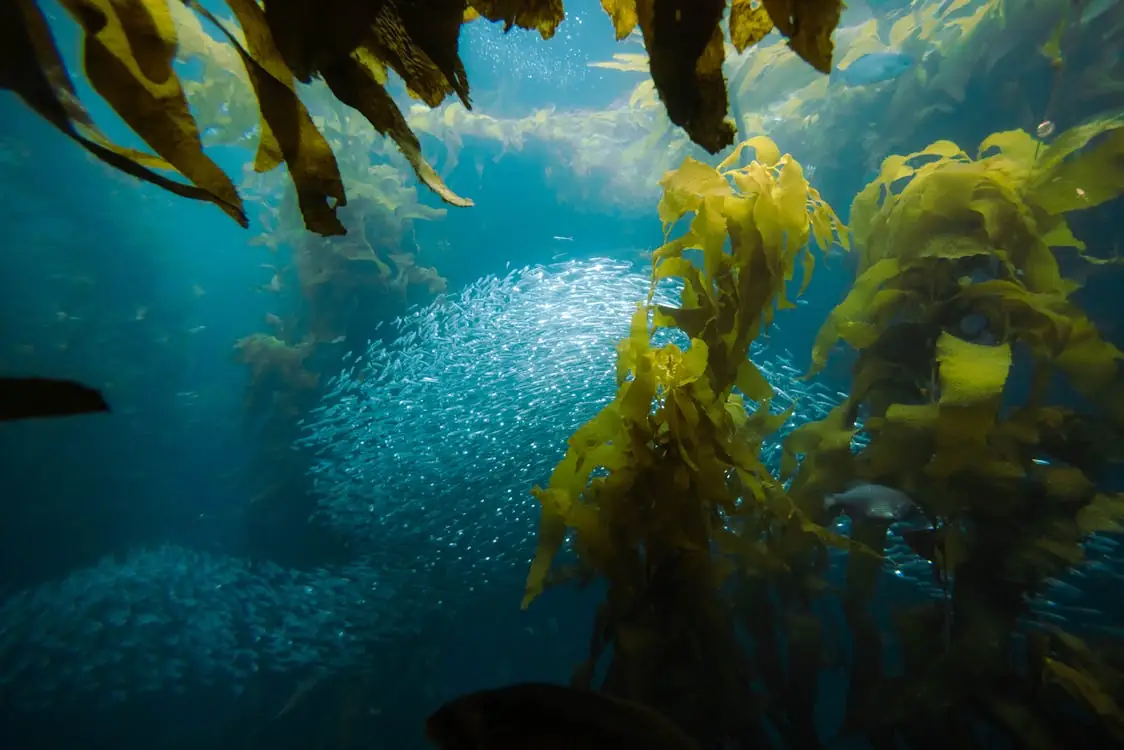
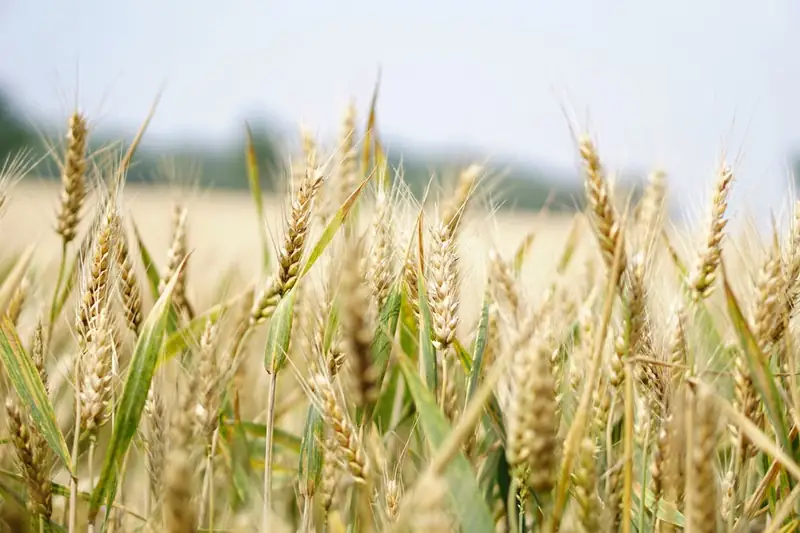
Kelp forest with a shoal of fish Harvesters cutting kelp on a rocky shore Scientists inspecting seaweed on a boat deck An outflow pipe discharging into a river Offshore wind turbines A wheat field Two women farming seaweed in shallow water Seaweed farmers working in a shallow bay A scientist handling lab glassware Water rushing past a pier
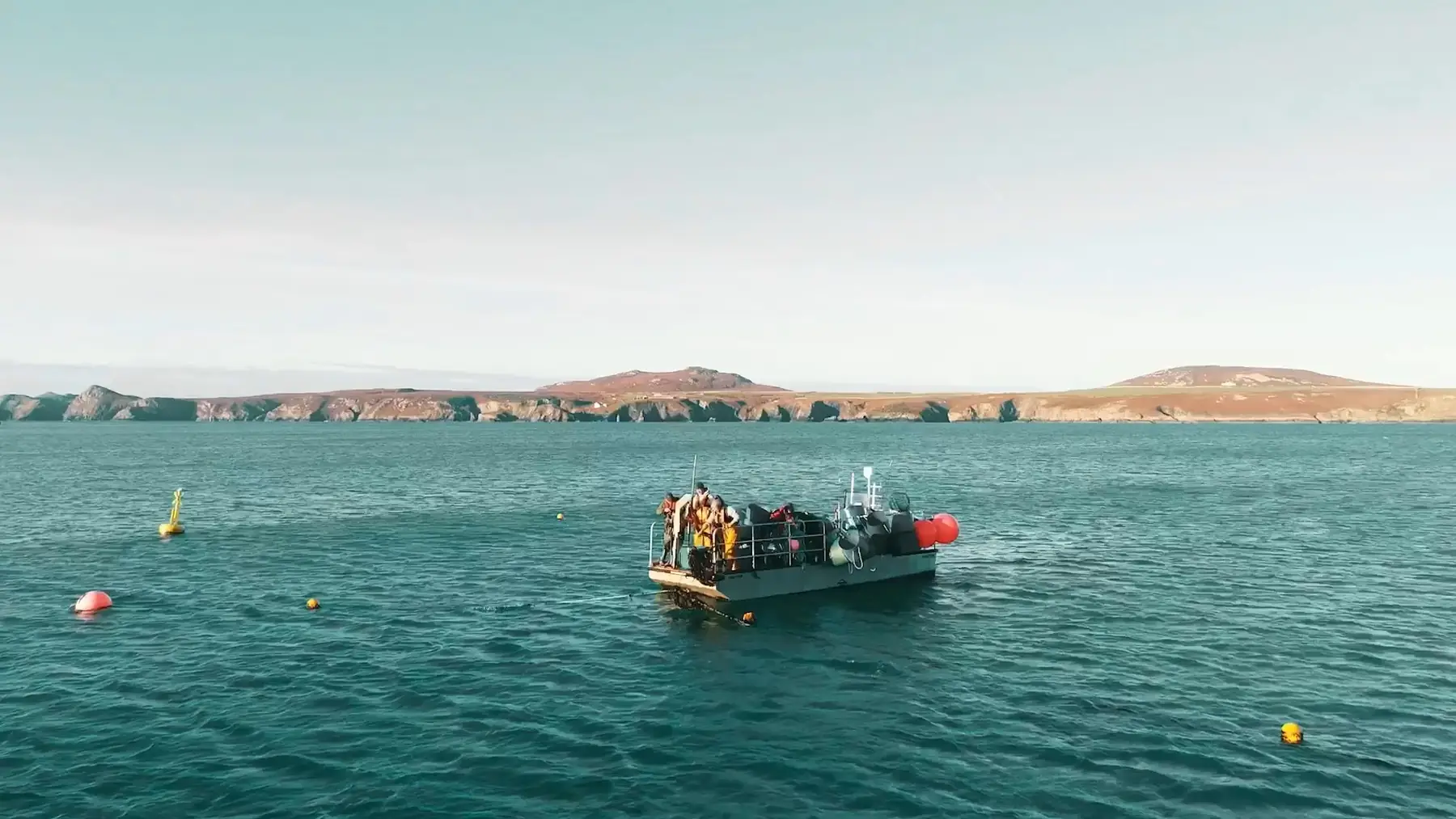
A seaweed harvesting boat at sea
11 · Shaping the industry

From our supply chain to the whole industry

  1. NowOur own Buying Principles

    As the first on the market, we use our buying power to reward producers with the best practices.

  2. NextA coalition of willing partners

    Building a coalition of organisations that buy on shared principles.

  3. In the futureAn independent certification

    A body such as the UN or WWF creates a scheme for everyone, as FSC did for wood and paper.

Our work beyond Notpla so far
  • Developed the Notpla Standard and Buying Principles from existing certifications and standards
  • Connected ASC-MSC with the Global Seaweed Coalition
  • Advocated at the UN Global Seaweed Initiative in Geneva for better certification
  • Helped make the ASC-MSC seaweed standard more accessible to producers
  • Contributed to removing royalty fees for seaweed extract producers
  • Invited by the UN to take a leadership role in advancing this work
12 · Our Seaweed Advisory Network

Supported by seaweed experts across the world and industries

Nine advisers we work with regularly, across seaweed extracts, science, market intelligence and policy.


Extracts and processing
Nesha ZalesnyIMR HydrocolloidsPartner at IMR. 20+ years as a food scientist in hydrocolloids and market intelligence.
Frédéric FaureAlgilityPresident and CEO. 20+ years in seaweed extracts. Former CEO of Algaia, ex-Cargill.
David MackieMarine BiopolymersSeaweed biorefining and extraction expert with 20+ years of experience.
Science
Dr Alan CritchleyVerschuren CentreResearch fellow in applied phycology. 250+ seaweed papers, former VP Research at Acadian Seaplants.
Dr Emily KostasUniversity College LondonLecturer in sustainable biorefining of seaweed, UKRI Future Leaders Fellow.
Dr Mélanie CueffGlobal Seaweed CoalitionScientific Officer of the Global Seaweed Coalition and research engineer at CNRS.
Markets and policy
Steven HermansPhyconomyFounder of Phyconomy, which tracks data on the global seaweed industry.
Peter GreenHatch BlueRegenerative projects adviser. Author of The Paxtier Report, a seaweed market newsletter.
Vincent DoumeizelUN Global CompactSenior Adviser on Ocean and Food, co-founder of the Global Seaweed Coalition, author of The Seaweed Revolution.
13 · The literature

Do your own due diligence

Check it for yourself. These are the best independent sources on seaweed, from leading international organisations. Each covers a different question, so start with the one closest to yours.
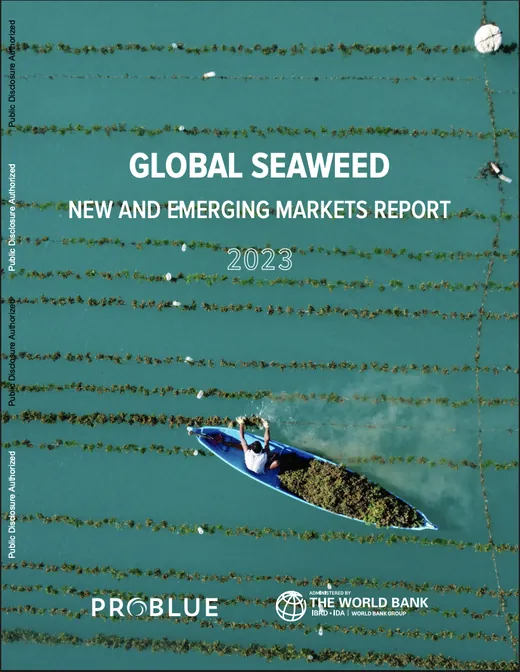
Cover of Global Seaweed: New and Emerging Markets Report World Bank · Aug 2023

Global Seaweed: New and Emerging Markets Report

  • Ten emerging seaweed markets worth up to $11.8bn by 2030
  • Investment gaps, and jobs for women in coastal communities
Open report ↗
Cover of Towards a Strong and Sustainable EU Algae Sector EU Commission · Nov 2022

Towards a Strong and Sustainable EU Algae Sector

  • Governance and licensing for algae farming
  • Research gaps and public awareness in Europe
Open report ↗
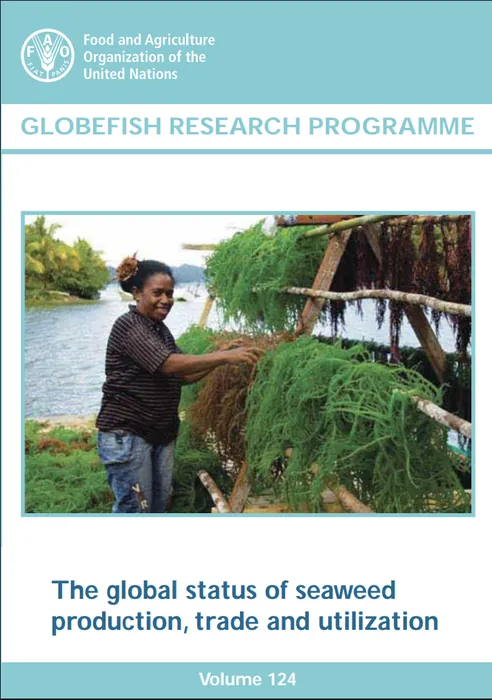
Cover of The Global Status of Seaweed Production, Trade and Utilization FAO · 2018

The Global Status of Seaweed Production, Trade and Utilization

  • How much seaweed is farmed and harvested, by country
  • Trade flows, extracts and processing technology
Open report ↗
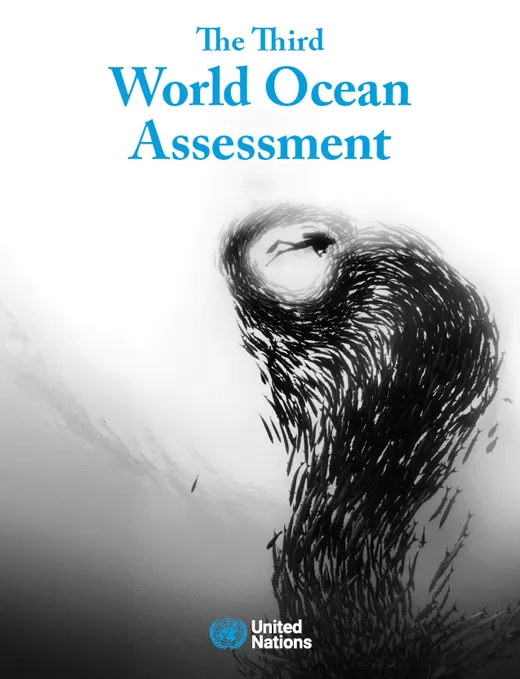
Cover of The Third World Ocean Assessment United Nations · Jun 2026

The Third World Ocean Assessment

  • State of the global ocean, with a chapter on macroalgae
  • Climate, pollution and disease pressures on marine life
Open report ↗
Go deeper

Questions we often get

Do you source seaweed from the UK?+
50,000people worked in Scotland's kelp industry around 1800, burning seaweed for glass and soap makers.

Not today. The UK resource is rich, but there is no way to turn it into the extracts our products use. The UK has no seaweed extraction plants: Scotland had them, but the industry declined from the 1970s and they have since closed. Shipping fresh seaweed to France, Norway or Spain to be extracted would make no sense on sustainability grounds.

New farms have opened in recent years, mostly supplying high-end restaurants. Industrial uses need far more scale and automation. Licensing is slow, and a seaweed farm licence takes around twice as long as one to drill for oil and gas. We hope local demand grows enough to bring the industry back.

Is a seaweed farm good for biodiversity?+

A seaweed line is habitat. Peer-reviewed work finds seaweed and shellfish farms associated with more wild marine life around them, through structured habitat, food and better recruitment (Theuerkauf et al., Reviews in Aquaculture, 2022).

The size of that effect depends on siting and farm design. That is why we ask partners for site-level monitoring data rather than accepting the claim in general.

Are there heavy metals in seaweed extracts?+

Seaweeds absorb minerals from seawater, which can include heavy metals where they are present. The biomass comes from clean waters and is tested, extraction strips the metals out, and every batch of extract is tested against the international food-additive limits: arsenic no more than 3 mg/kg and lead no more than 5 mg/kg. How it works.

Does seaweed for packaging compete with seaweed for food?+

No. We buy extracts from the same industry that already supplies food, pharma and cosmetics, and today we use less than 1% of our main supplier's capacity. On land, seaweed takes nothing from food crops at all.

Does harvesting wild seaweed harm the ecosystem?+

It can if it is done badly. Good practice is enforced quotas, grid rotation, cutting only mature plants and leaving the seabed undisturbed. Our Buying Principles require harvesting within local quotas, with full transparency on the harvesting strategy.

Is Notpla packaging carbon negative?+

We do not claim that. Our carbon claim today is the displacement of fossil-carbon plastic. Seaweed fixes carbon as it grows and some of it sinks and is stored, but the science on how much stays down is still settling, so we treat it as upside.

Can Sargassum be used safely?+

Bloom seaweed has to be checked for contaminants such as heavy metals before use. We have validated that Sargassum extracts make performance coatings for food packaging, and the same specification limits apply to any extract we buy.

Is there a sustainability certification for seaweed?+

Not one that fits industrial seaweed well yet. ASC-MSC has a seaweed standard, and we have worked with them and the Global Seaweed Coalition to make it more accessible to producers. Until a scheme matures, we buy against our own Buying Principles.

Why not grow the seaweed yourselves?+

We did not need to. More than 40 million tonnes are already grown every year, and processed by an industry with decades of know-how. We work with it to make a packaging grade of seaweed extract.

Notpla · Seaweed, explainedIllustrations made with Magnific